Source Plastic Flower Pot for Home Gardening, Balcony, and Desktop
Explore 30 verified listings for the Plastic Flower Pot, featuring options for home gardening, balcony gardens, and desktop use. Buyers can compare sizes, styles, and certifications like ISO9001 to find suitable suppliers.
Key considerations
Products List


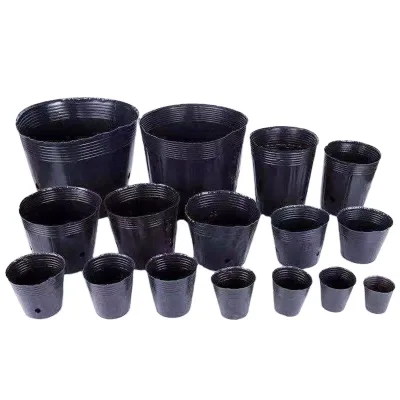
Plastic Seedling Pot for Garden Flowers Cup Seedling Pot Plant Bag Pot
$0.01 - $0.09
MOQ: 1000 Minimum


Comprehensive Sourcing Guide
Strategic Sourcing Guide for Plastic Flower Pots
Understanding Product Specifications and Variability
When initiating a procurement strategy for plastic flower pots, the primary challenge lies in navigating the significant variance in product specifications observed across the market. The core keyword "Plastic Flower Pot" encompasses a wide spectrum of designs, ranging from small desktop units to large floor-standing containers. Based on available market data, buyers must recognize that product attributes are not uniform; rather, they are highly dependent on the specific manufacturer and intended application.
The physical dimensions of these pots vary considerably. Observations indicate the existence of "Small," "Medium," and "Large" size categories. For instance, specific model numbers such as HG-3301 are associated with substantial dimensions, listed as a diameter of 33cm and a height of 56.5cm, which classifies them as large floor-type units. Conversely, other models like 80035 or 20017-8 are defined by much smaller footprints, with standard dimensions around 13.58.5cm or 12.59*9.5cm, suitable for desktop or balcony gardening. This disparity necessitates that buyers explicitly define their size requirements before engaging with suppliers, as a "one-size-fits-all" approach is not viable in this category.
Shape is another critical specification that fluctuates between listings. While some products are explicitly categorized as "Square," others are identified as "Round." This geometric difference impacts not only the aesthetic appeal but also the spatial efficiency of the pot within a garden or indoor setting. Furthermore, the production method is predominantly noted as "Mechanical," suggesting a manufacturing process that relies on machinery for molding and finishing. Buyers should verify if the mechanical process involves injection molding or blow molding, as this influences the structural integrity and wall thickness of the final product.
The finishing process also varies significantly. Some listings indicate a "Not Coated" finish, which implies a raw plastic surface, while others specify a "Glazed" finish, suggesting an additional layer for aesthetic enhancement or weather resistance. These finishing details directly affect the tactile experience and the visual integration of the pot into a specific environment, whether it be a modern home furnishing or a traditional Chinese-style garden.
Material Composition and Functional Attributes
The material composition is the defining characteristic of this product category, with "Plastic" being the dominant material cited in the majority of specifications. However, the market also presents "Ceramic" options, which, while distinct, are often grouped under similar procurement searches due to their shared function as plant containers. For buyers specifically targeting plastic flower pots, it is essential to understand the implications of the material choice. Plastic offers advantages in terms of weight, durability, and cost-effectiveness compared to ceramic alternatives.
Functionality is a key differentiator among plastic flower pots. A notable attribute observed in the market is the "Self-Watering" function. This feature is particularly valuable for buyers sourcing products for home gardening or balcony applications where consistent moisture levels are required without constant manual intervention. The inclusion of self-watering mechanisms adds complexity to the product design and may influence the internal structure and capacity of the pot.
The application scene further refines the material and functional requirements. Products are frequently categorized for "Home Gardening," "Balcony Garden," and "Home Furnishing." The "Home Gardening" and "Balcony Garden" applications often require materials that can withstand varying weather conditions, UV exposure, and temperature fluctuations. In contrast, "Home Furnishing" items, such as those with a "Chinese Style" or "Antique" aesthetic, may prioritize visual appeal and surface finish over extreme weather resistance. The "Use Type" is also specified as either "Floor Type" or "Desktop," which dictates the size and stability requirements of the pot.
Color options are another variable aspect of the product. Listings mention colors such as "Blue" and "White," with some descriptions indicating "etc." to suggest a broader palette. For buyers seeking specific color matching for interior design or branding purposes, it is crucial to confirm the available color range with the supplier, as the standard offerings may not cover all desired hues.
Compliance, Certification, and Quality Standards
In the B2B procurement of plastic flower pots, verifying compliance and certification is a critical step to ensure product safety and marketability. The market data indicates that certain suppliers possess certifications such as ISO9001 and BSCI. ISO9001 is a widely recognized standard for quality management systems, suggesting that the supplier has established processes to maintain consistent product quality. BSCI (Business Social Compliance Initiative) certification indicates a commitment to ethical labor practices, which is increasingly important for international buyers concerned with supply chain transparency.
However, it is vital to treat these certifications as observations of specific suppliers rather than universal guarantees for all products in the category. Not every Plastic Flower Pot listed will carry these certifications. Buyers must actively request proof of certification from potential suppliers and verify the validity of the certificates. Relying on the assumption that all plastic flower pots are ISO9001 certified can lead to compliance risks, especially if the buyer operates in a market with strict regulatory requirements for plastic products.
Regarding product standards, the data includes references to specific model numbers and dimensions that serve as internal standards for manufacturers. For example, the "HG-8008 Series" and "HG-2810 series" represent specific product lines with defined characteristics. Additionally, some listings reference standards related to dimensions, such as "13.58.5cm" or "15.58.5cm," which function as technical specifications rather than external regulatory standards. Buyers should be aware that "Material: Plastic" is sometimes listed as a standard, which is a descriptive classification rather than a technical compliance standard.
For international trade, transportation standards are also relevant. Some suppliers specify transportation methods, such as "by Sea," which implies considerations for packaging and logistics. The origin of the products is primarily noted as "Wenling, Zhejiang, China," "Zhejiang, China," and "Shandong, China." These regions are known for their manufacturing capabilities, but buyers should verify the specific factory locations to ensure they align with their logistical and compliance requirements.
Cost Drivers and Pricing Dynamics
The pricing landscape for plastic flower pots is characterized by a wide range, with observed prices spanning from $0.01 to $1820 USD. This extensive range reflects the diversity in product complexity, size, material quality, and order volume. The low end of the spectrum likely corresponds to small, simple, non-functional plastic pots with minimal packaging, while the high end may include large, complex, self-watering systems with specialized finishes or bulk orders of premium materials.
The Minimum Order Quantity (MOQ) is a significant factor influencing the unit cost. The observed MOQ range varies from 2 to 10,000 units. Suppliers with lower MOQs, such as 2 units, may charge a higher per-unit price to cover setup and handling costs. Conversely, suppliers requiring higher MOQs, such as 10,000 units, can offer more competitive pricing due to economies of scale. Buyers must balance their inventory needs with their budget constraints to determine the optimal order size.
Packaging is another cost driver. The data indicates various packaging methods, including "Carton," "Bag or Pallect," and "Standard Package for Delivery." More robust packaging solutions, such as palletized shipping for large orders, may incur additional costs but are necessary for protecting the products during transit. The choice of packaging can also impact the overall volume and weight of the shipment, thereby affecting freight costs.
Customization is a key feature available in this market, with "Customization: Available" noted as a high-confidence fact. Customization options can include branding, specific colors, unique shapes, or tailored dimensions. While customization adds value, it often comes with higher costs and potentially longer lead times. Buyers should clarify the scope of customization and the associated price premiums before finalizing their procurement strategy.
Typical Applications and Use Cases
Plastic flower pots serve a diverse array of applications, driven by their versatility and functional attributes. The primary use cases identified include "Home Gardening," "Balcony Garden," and "Home Furnishing." In home gardening scenarios, the durability and weather resistance of plastic make it an ideal material for outdoor use. The "Self-Watering" function is particularly beneficial for this application, allowing homeowners to maintain plant health with minimal effort.
For balcony gardens, the size and shape of the pot are critical. Smaller, "Desktop" or "Medium" sized pots are often preferred for limited balcony spaces, while larger "Floor Type" pots can serve as focal points or privacy screens. The "Square" and "Round" shapes offer different aesthetic options, allowing buyers to match the pots with their existing balcony decor.
In the realm of "Home Furnishing," plastic flower pots are used to enhance interior aesthetics. Products with "Antique" or "Chinese Style" designs, as well as those with "Glazed" finishes, are suitable for indoor decoration. These pots often feature specific colors like "Blue" or "White" to complement interior color schemes. The "Desktop" use type is common for these applications, where the pots are placed on tables, shelves, or windowsills.
The "Applicable" category for these products is generally "Flowers/Plants," indicating their primary function as containers for botanical specimens. However, the specific design and material properties may also make them suitable for other uses, such as storage or decorative elements. Buyers should consider the intended end-use when selecting products, ensuring that the material and design align with the specific requirements of the application.
Supplier Evaluation and Quality Control
Evaluating suppliers for plastic flower pots requires a comprehensive approach that goes beyond price and product specifications. Buyers should prioritize suppliers who demonstrate transparency in their manufacturing processes and quality control measures. The presence of certifications like ISO9001 and BSCI is a positive indicator, but buyers must verify these credentials directly with the issuing bodies.
Quality control should be a central focus during the supplier evaluation process. Buyers should inquire about the supplier's testing procedures, particularly for products intended for outdoor use or those with specific functional claims like "Self-Watering." While specific test results are not provided in the general market data, buyers should request samples and conduct their own quality assessments to verify durability, color fastness, and structural integrity.
The production method, noted as "Mechanical," suggests a standardized manufacturing process. However, buyers should assess the supplier's equipment and technology to ensure they can meet specific quality requirements. The finishing process, whether "Not Coated" or "Glazed," should be inspected for consistency and adherence to the agreed-upon specifications.
Logistics and supply chain reliability are also critical factors. The origin of the products, primarily from Zhejiang and Shandong provinces in China, indicates a concentration of manufacturing capabilities. Buyers should evaluate the supplier's ability to meet delivery schedules and handle logistics, especially for large orders with high MOQs. The specified transportation methods, such as "by Sea," should be aligned with the buyer's shipping requirements and timelines.
Long-Term Procurement Considerations
Sourcing plastic flower pots is not merely a transactional activity but a strategic decision that impacts long-term business operations. Buyers should consider the scalability of their supply chain, ensuring that suppliers can accommodate growth in demand without compromising quality. The availability of customization options allows for product differentiation, which can be a competitive advantage in the market.
Sustainability is an emerging consideration in the procurement of plastic products. While the market data does not explicitly mention recycled materials or eco-friendly certifications, buyers should inquire about the environmental impact of the plastic used. The choice of material and packaging can influence the carbon footprint of the product, and buyers with sustainability goals should prioritize suppliers who demonstrate a commitment to environmental responsibility.
Inventory management is another long-term consideration. The wide range of MOQs and price points requires careful planning to balance inventory costs with cash flow. Buyers should develop a procurement strategy that aligns with their sales forecasts and storage capabilities. The variability in product specifications, such as size and shape, necessitates a flexible inventory management system that can adapt to changing market trends and customer preferences.
Finally, building strong relationships with suppliers is essential for long-term success. Open communication, clear expectations, and mutual trust can lead to better pricing, improved quality, and more reliable delivery. Buyers should invest time in understanding the supplier's capabilities and limitations, fostering a partnership that supports continuous improvement and innovation in the product line. By focusing on these long-term considerations, buyers can secure a stable and competitive supply of plastic flower pots that meets their evolving business needs.
FAQs
What customization options are available for plastic flower pots?
Customization is available for plastic flower pots to meet specific buyer needs. Buyers can request tailored dimensions, colors, or branding on models like the HG-8008 Series. This option allows for unique designs suitable for various application scenes such as home gardening or balcony gardens.
Which certifications do Plastic Flower Pot manufacturers typically hold?
Some manufacturers hold ISO9001 and BSCI certifications for quality and social compliance. These certifications indicate established processes for maintaining product consistency and ethical labor practices. Buyers should verify these credentials directly as not every listed product carries them.
How do sizes vary among different Plastic Flower Pot models?
Sizes range from small desktop units to large floor-type containers. Specific models like HG-3301 measure 33cm in diameter and 56.5cm in height, while others like 80035 are much smaller. Buyers must define their size requirements before engaging with suppliers.
Can plastic flower pots be used for self-watering applications?
Yes, some plastic flower pots feature a self-watering function for consistent moisture levels. This attribute is particularly valuable for home gardening and balcony garden applications where manual watering is difficult. The design adds complexity to the internal structure of the pot.
What are the typical origins for sourcing plastic flower pots?
Products originate primarily from regions like Wenling, Zhejiang, and Shandong in China. These locations are known for their manufacturing capabilities in the Plastic Flower Pot category. Buyers should verify specific factory locations to align with their logistical requirements.
Which finishing styles are common for plastic flower pots?
Finishing styles vary between not coated and glazed surfaces. Not coated finishes imply a raw plastic surface, while glazed finishes offer aesthetic enhancement. The choice affects the tactile experience and visual integration into environments like home furnishing or traditional gardens.